Table of Contents
Website development agencies have become an essential part of helping businesses adapt to changing digital expectations. Companies are increasingly investing in advanced online platforms that reflect current user behaviour and industry developments. Keeping up with modern web trends allows brands to deliver better experiences and remain competitive in fast-moving markets.
A business website isn’t just an online brochure anymore. The audience expects convenience, speed, and those smooth interactions throughout the whole journey. This is why a lot of organisations rely on experts who truly get how technology, and design trends keep shifting over time.
Website Development Agencies Help Businesses Adapt to Digital Change
Since the digital environment evolves rapidly, businesses often struggle to keep up without the assistance of specialists. A skilled web design company is capable of building digital experiences that align with customer needs and promote clear commercial goals. With this understanding, brands can promptly address evolving trends and introduce solutions that are accessible, high-performing, and quick to deploy.
Many businesses are now focusing on delivering value by means of interesting digital experiences. They are more concentrated on usability, accessibility, and actual functionality. As expectations keep rising, organisations more often want solutions that bring lasting benefits, not only short term results.
Firms delivering professional web development services tend to stay on top of websites updated by adopting new technologies and enhancing operational performance. This helps businesses maintain a stable, dependable digital image, which matters a lot when people are searching online.
Understanding How Customer Expectations Have Evolved
Modern consumers expect websites that feel simple, responsive, and easy to use. Visitors usually decide within a few seconds whether they want to stay, or leave the page. A well-designed website can create a positive initial impression for a business, even within a short period of time.
There are a few things driving current customer habits, like:
- Faster access to details and services.
- Seamless navigation on phones, tablets, and desktops.
- More interest in engaging interactions.
- Stronger expectations around website protection and safety.
Because of these shifts, many organisations are leaning toward newer ways of designing their online presence.
Building Strong Brand Identity Through Design
Design still plays a major role in how customers think and feel. Competent website designers Dubai know that visual details matter a lot for trust and engagement. With their skill, brands can pass messages more clearly, and keep a professional image.
Many businesses are adopting creative websites that genuinely reflect their personality and fundamental principles. They go for distinctive layouts and carefully planned user experiences, so that visitors can build a more natural connection with the brand. Good design also supports stronger engagement, and it makes people feel encouraged to keep looking around, rather than leaving right away.
Why Website Development Agencies Focus on Modern Web Trends
Technological innovations and changing consumer habits drive the evolution of contemporary web trends. Businesses in Dubai are looking for ways to improve efficiency slightly while enhancing customer satisfaction. Keeping up to date with these developments helps organisations remain relevant in competitive sectors. As digital experience becomes more prominent, people increasingly anticipate faster and more efficient service.
One important priority is the development of mobile friendly websites that give consistent experiences across smartphones, tablets and desktops, because users access websites across a wide range of devices. Responsive functionality makes sure visitors can interact comfortably, no matter the device.
Companies looking for website creation Dubai solutions are also placing more weight on performance together with user engagement. Modern sites are expected to offer convenience, not just visual appeal and visual appeal.
1.Minimalist Layouts That Improve Readability
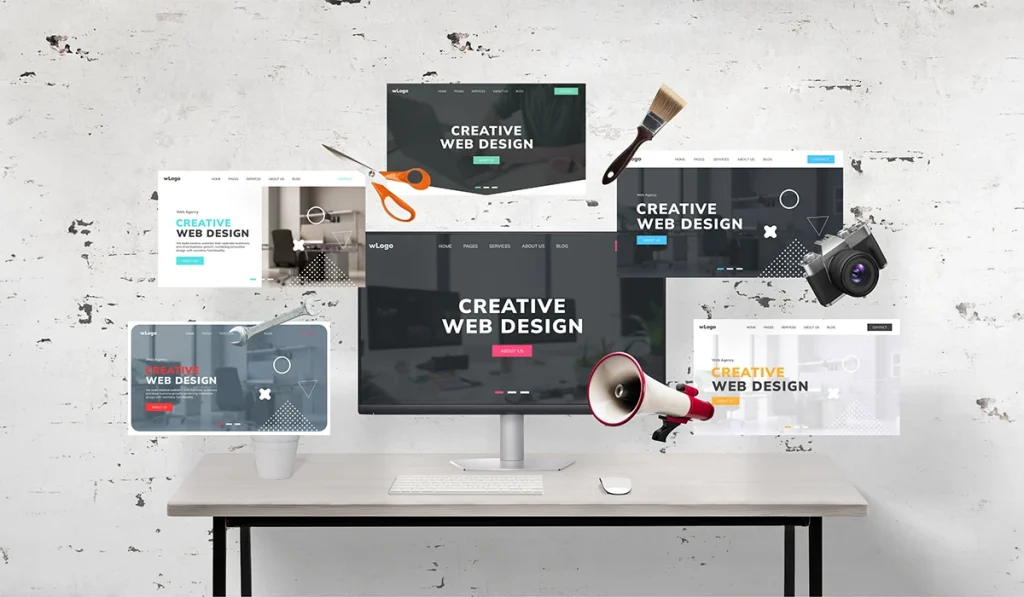
Minimalism has turned into one of the most influential trends in today’s web development. Designers often prefer to use clean layouts that guide visitors smoothly rather than overwhelming them with too much information at once. When the structure stays simpler, customers can find what they need faster , and there are fewer unnecessary distractions
White space, balanced typography, and organised sections really matter for readability. Rather than packing a page with multiple decorative elements, businesses are leaning toward clarity and straightforward usability. That style tends to look more professional and it makes the whole browsing experience smoother
Minimalist layouts also help usability a lot. Visitors move through pages with less friction, and that can extend engagement and build stronger trust. Businesses end up with a website that feels current without giving up functionality
2.AI-Powered Features for Personalised Experiences
Artificial intelligence is changing how businesses talk with customers online. A lot of modern websites now add clever systems that help create more personal experiences. These tools let brands notice what people seem to like, and then give useful suggestions while also fitting with modern website design habits, aimed at lifting user involvement and the general feel of the experience.
AI based chat assistants are showing up across many fields. They respond right away to customer questions, and they keep conversations moving even outside the usual working hours. This kind of comfort helps a company provide sharper support while also raising user satisfaction levels.
Another major benefit is personalisation. With AI, a website can show customized material based on what someone has been browsing, and what topics seem to matter to them. Then the visitor gets a journey that feels more relevant and more absorbing, which slowly helps strengthen customer connections and loyalty.
3.Voice Search Optimisation for Easier Accessibility
Voice search is getting more and more popular, because people lean on digital assistants and mobile devices to grab answers fast. Because of that, businesses are updating their websites so the information stays reachable when someone searches in a conversational way. Indeed, this change also alters how content is organized, including what appears first and its presentation style, making it feel more straightforward.
Optimising for voice search usually means writing content that sounds like real speech. Instead of short keyword phrases, many users ask full questions, or they use phrasing that feels natural. When a site is built with that in mind, it is often better placed to return responses that are both accurate and actually helpful.
There is also a clear win for accessibility. With voice-enabled experiences, people can engage with websites more conveniently, especially when they are managing tasks, or when they are using smart devices at the same time. This also highlights the importance of adapting content to changing search habits, even when those changes appear subtle at first.
4.Interactive Animations and Dynamic Content
Modern users tend to appreciate those experiences that feel alive, not like a still poster. Interactive animations, plus dynamic content, are helping businesses pull people in and keep visitors clicking around longer. There is a sense of momentum in these choices, and they make the whole presentation look more polished, so lots of website development agencies weave them into today’s digital experience.
Even smaller touches matter too. Subtle transitions, and scrolling effects that feel smooth, can improve the flow without overwhelming anyone. When the animations are planned well, they can surface what is important, and they guide visitors through different sections in a calm, natural way. In the end, engagement rises while the overall look stays professional.
Dynamic content also gives websites more expressive ways to share information. Interactive areas, visual storytelling, and personalised experiences can build stronger user connections. That way businesses deliver their message more effectively, and they leave a more memorable impression.
5.Faster Loading Technologies That Enhance Performance
Website speed has become one of the most important aspects of how people experience a site. Visitors expect pages to load quickly and they often just leave if things respond slowly. Because of that, many businesses are investing in technologies that improve performance, and also cut down on the time it takes for content to appear.
Today’s development methods lean hard on efficiency. Optimised coding habits, compressed media files, and more capable hosting services help websites run a little smoother, and with less friction. When performance is better, users stay engaged longer, plus it can support search visibility too.
A faster loading time also boosts customer satisfaction. People reach information sooner, and they complete tasks without waiting around. In turn, businesses see stronger reliability and improved online reputation, which helps trust build over time.
6.Protecting Websites Through Strong Security Measures
Keeping security intact is essential for today’s organisations. Customers expect their information to stay protected when they interact with online platforms, and that expectation matters a lot. Regular website security updates help businesses reduce risks, and it keeps users confident.
Today security practices often involve watching systems closely, applying software updates, and building safeguards against new and rising threats. All of this supports long-term dependability, and it also helps create stronger credibility between businesses and customers.
7.Supporting Growth With Technical Expertise
Experienced website developers actually play an important role in helping businesses expand their digital capabilities. Their technical knowledge keeps websites scalable and able to support future requirements. In this way companies can introduce new features without compromising stability , and that matters more than it sounds at first.
Many businesses also understand the value of continuous improvement, not only a one-time development sprint. Ongoing optimization helps organisations adjust quickly , and it helps them keep a competitive advantage going for the long run.
Preparing for Future Digital Expectations
Technology keeps shaping the way customers reach businesses online. When a company leans into innovation, it can respond to shifting needs and market conditions more quickly. Also, choosing the right web design agency gives access to specialized know-how that helps long term growth.
A few priorities are likely to stay relevant moving forward:
- More tailored experiences powered by intelligent technologies.
- A stronger focus on accessibility and inclusivity.
- Better speed and stability across different devices.
- Tighter security measures and stronger protection of data.
Taken together, these changes show that digital experiences will keep evolving in the coming years, even as user expectations continue to move ahead.
Conclusion
Website development agencies play a significant role in helping businesses embrace modern web trends and deliver better digital experiences. As minimalist designs, AI, voice search, and interactive content become more widespread, they are gradually defining what online interaction will resemble in the coming years. Organizations committed to continuous improvement are often more capable of aligning with customer demands and fostering long-term growth in Dubai.
Circle Out delivers customised web development services that help businesses manage with shifting digital demands, and adapt as the market changes. Every website is created with a focus on contemporary design, performance improvements, and user-centered strategies to ensure it encourages ongoing growth.
Frequently Asked Questions(FAQs):
They assist organisations by improving website performance, implementing modern technologies, enhancing user experiences, and ensuring websites remain aligned with current trends.
Voice search allows users to access information through natural language queries, making online experiences more convenient and accessible.
Interactive elements encourage engagement, improve user experiences, and help businesses communicate information more effectively.